7 Easy Ways To Reduce Stress Naturally At Home
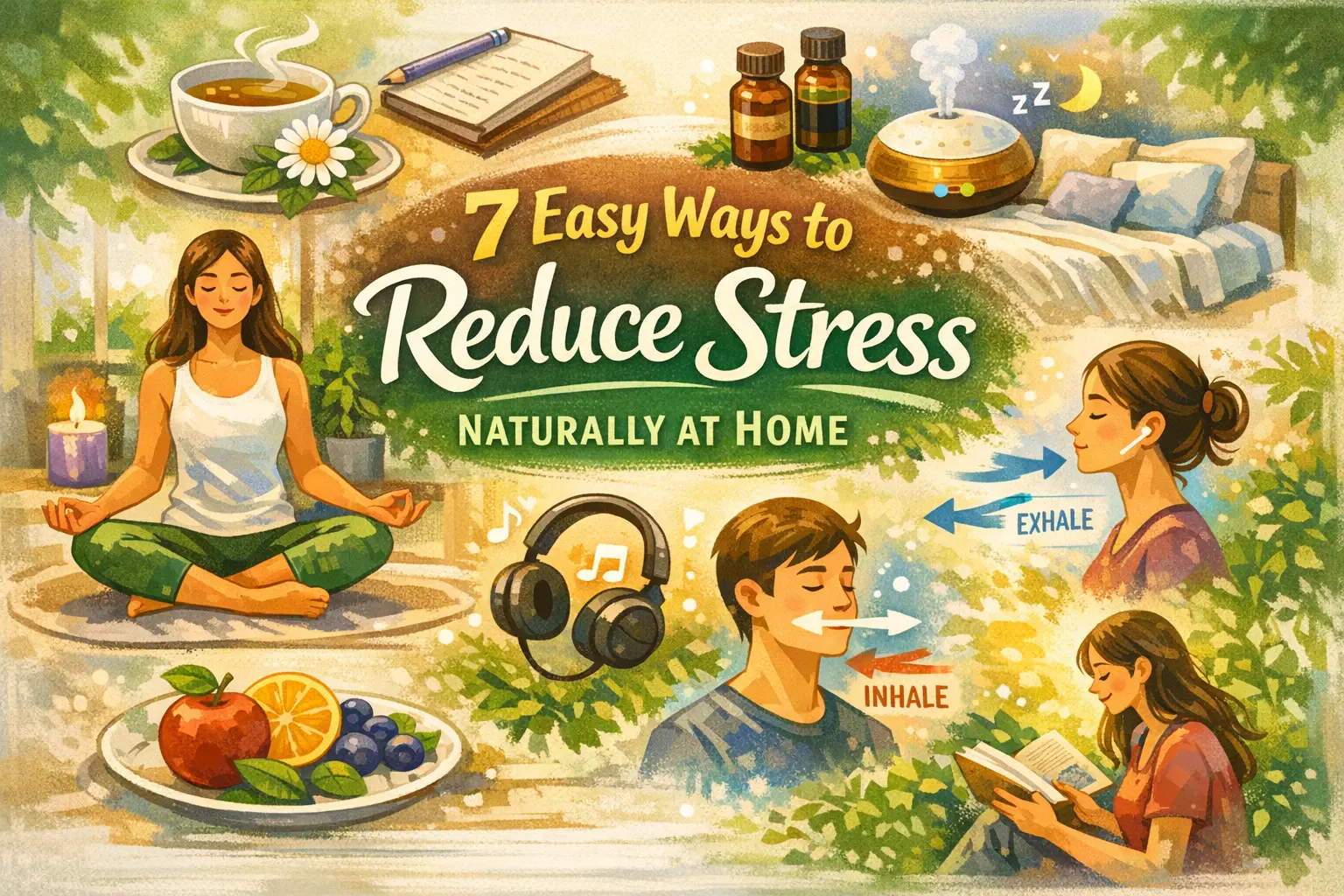
In today’s fast-paced world, stress has quietly become a constant companion for many people. From work deadlines and financial pressure to family responsibilities and digital overload, stress can creep into our lives without warning. While a certain level of stress can motivate us to perform better, chronic stress can negatively impact both mental and physical health.
Prolonged stress may lead to anxiety, depression, sleep disorders, high blood pressure, digestive problems, and a weakened immune system. That’s why learning how to reduce stress naturally is not just beneficial—it’s essential.
The good news is that you don’t need expensive treatments, medications, or retreats to manage stress. With a few mindful changes and simple daily habits, you can significantly lower stress levels right at home. In this article, we’ll explore 7 easy and natural ways to reduce stress at home, backed by practical tips and real-life applicability.
1. Practice Deep Breathing and Mindful Relaxation
Deep breathing is one of the simplest and most powerful tools to reduce stress naturally. When we’re stressed, our breathing becomes shallow and rapid, signaling the body to remain in a fight-or-flight mode. Deep breathing does the opposite—it activates the parasympathetic nervous system, promoting relaxation.
How Deep Breathing Reduces Stress
-
Slows heart rate
-
Lowers blood pressure
-
Reduces cortisol (stress hormone)
-
Improves focus and mental clarity
Simple Deep Breathing Exercise
-
Sit or lie down comfortably in a quiet space.
-
Inhale slowly through your nose for 4 seconds.
-
Hold your breath for 4 seconds.
-
Exhale gently through your mouth for 6 seconds.
-
Repeat for 5–10 minutes.
You can combine deep breathing with mindfulness or meditation by focusing your attention on your breath and letting go of distracting thoughts. Practicing this daily—even for a few minutes—can bring noticeable calmness.
2. Maintain a Healthy and Balanced Diet
What you eat has a direct impact on how you feel. A poor diet can worsen stress by causing blood sugar fluctuations, inflammation, and nutrient deficiencies. On the other hand, a balanced diet supports brain health and emotional stability.
Foods That Help Reduce Stress Naturally
-
Whole grains (brown rice, oats): stabilize blood sugar
-
Leafy greens (spinach, kale): rich in magnesium
-
Fruits (bananas, berries, oranges): boost mood
-
Nuts and seeds: provide healthy fats and zinc
-
Herbal teas (chamomile, green tea): promote relaxation
Foods to Limit
-
Excess caffeine
-
Processed foods
-
Sugary snacks
-
Alcohol
Staying hydrated is equally important. Even mild dehydration can increase stress levels and fatigue. Drinking enough water throughout the day helps maintain mental clarity and emotional balance.
3. Get Regular Physical Activity at Home
Exercise is a natural stress reliever. It releases endorphins—often called “feel-good hormones”—that help improve mood and reduce anxiety. You don’t need a gym membership to stay active; simple home workouts can be just as effective.
Benefits of Exercise for Stress Relief
-
Improves sleep quality
-
Reduces anxiety and depression
-
Boosts self-confidence
-
Enhances energy levels
Easy Home Exercises
-
Yoga or stretching
-
Walking or jogging in place
-
Bodyweight workouts (squats, push-ups)
-
Dancing to music
Aim for at least 30 minutes of moderate activity most days of the week. Even 10-minute sessions spread throughout the day can make a big difference.
4. Improve Sleep Quality Naturally
Poor sleep and stress create a vicious cycle. Stress makes it harder to sleep, and lack of sleep increases stress. Improving your sleep habits is one of the most effective ways to reduce stress naturally.
Tips for Better Sleep at Home
-
Maintain a consistent sleep schedule
-
Avoid screens at least 1 hour before bed
-
Create a calm bedtime routine
-
Keep your bedroom dark, quiet, and cool
-
Avoid heavy meals before sleeping
Practices like reading, listening to soft music, or light stretching before bed can signal your brain that it’s time to relax.
5. Limit Screen Time and Digital Overload
Constant notifications, social media scrolling, and screen exposure can overload your brain and increase stress. Reducing screen time helps restore mental calm and improves focus.
How to Reduce Digital Stress
-
Set daily screen-time limits
-
Take regular breaks from devices
-
Avoid social media before bedtime
-
Designate screen-free hours
Replacing screen time with offline activities like reading, journaling, or spending time with family can significantly improve mental well-being.
6. Practice Gratitude and Positive Thinking
Gratitude shifts your focus from what’s wrong to what’s right. Practicing gratitude daily can rewire your brain to respond more calmly to stress.
Simple Gratitude Practices
-
Write down 3 things you’re grateful for each day
-
Reflect on positive moments before sleeping
-
Express appreciation to loved ones
Positive self-talk is equally important. Replace negative thoughts with realistic and encouraging ones. Over time, this mindset change can greatly reduce stress levels.
7. Create a Calm and Organized Home Environment
Your surroundings affect your mental state. A cluttered space can lead to a cluttered mind. Creating a calm, organized, and comfortable home environment promotes relaxation.
Tips to Create a Stress-Free Home
-
Declutter regularly
-
Use soft lighting
-
Add plants or natural elements
-
Play calming music or nature sounds
A peaceful home atmosphere helps your mind relax and recover from daily stress.
Conclusion: Small Steps, Big Impact
Reducing stress naturally at home doesn’t require drastic changes. By practicing deep breathing, eating well, staying active, sleeping better, limiting digital overload, cultivating gratitude, and maintaining a calm home environment, you can significantly improve your mental health.
The key is consistency. Start with one or two techniques and gradually incorporate others into your daily routine. Over time, these small steps can lead to a calmer, healthier, and more balanced life.
Remember, managing stress is not about eliminating challenges—it’s about learning how to respond to them calmly and effectively.
Your email address will not be published. Comments are moderated.
0 Comments on This Post
Leave a Reply
Comments (0)
Spread the Word!
Join Our Developer Community!
Get weekly coding tips, tool updates, and exclusive tutorials straight to your inbox.
Request a Tool
×